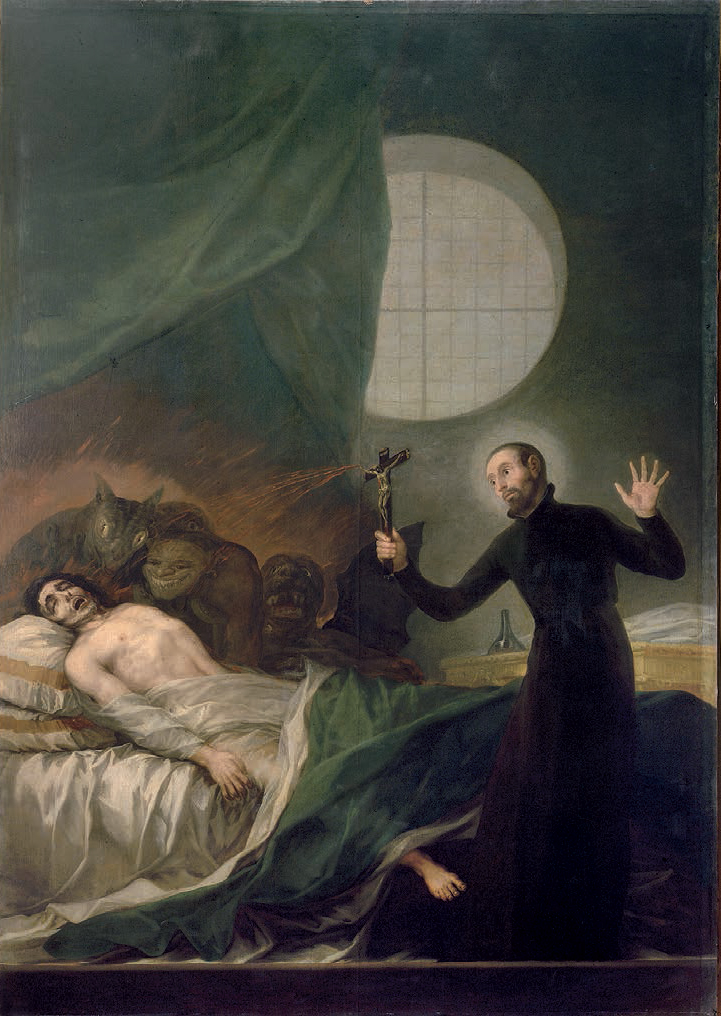
Exorcism, the age-old practice of banishing malevolent entities, unveils a realm where faith, spirituality, and the supernatural converge. In Christian tradition, the one entrusted with this sacred duty is known as an Exorcist, typically a member of the Christian Church. However, in various belief systems, the Exorcist may be perceived as an individual graced with unique powers or skills, often likened to a Spiritual Healer.
The tools of the Exorcist’s trade encompass a rich tapestry of prayers and religious paraphernalia, including prescribed formulas, symbolic gestures, icons, and amulets. Christian Exorcists, in particular, invoke the divine, calling upon the benevolent forces of God, Jesus, and a pantheon of angels and archangels to intercede during the exorcism ritual.
At the heart of Christian exorcism lies the unwavering belief in the authority bestowed upon them by the Holy Trinity—Father, Son, and Holy Spirit—as the wellspring of their ability to cast out demons. In this spiritual endeavor, those afflicted by possession are not seen as intrinsically evil or wholly responsible for their actions. Instead, possession is regarded as the involuntary manipulation by a malevolent demon, leading to harm inflicted upon oneself or others. Consequently, exorcism is seen as more of a curative process than a punitive one.
The mainstream exorcism rituals approach this delicate task with utmost care, emphasizing the safety and well-being of the possessed individual. Violence is eschewed, with measures taken only to ensure the safe restraint of the afflicted if there is potential for harm.
This intricate dance between faith, compassion, and the supernatural underscores the enduring practice of exorcism—a timeless endeavor to free souls from the clutches of darkness and restore harmony in the spiritual realm.
 Arizona Exorcist & Deliverance